
Be Proactive for Bone Health; Not Reactive! Here’s How.
Apr 11, 2026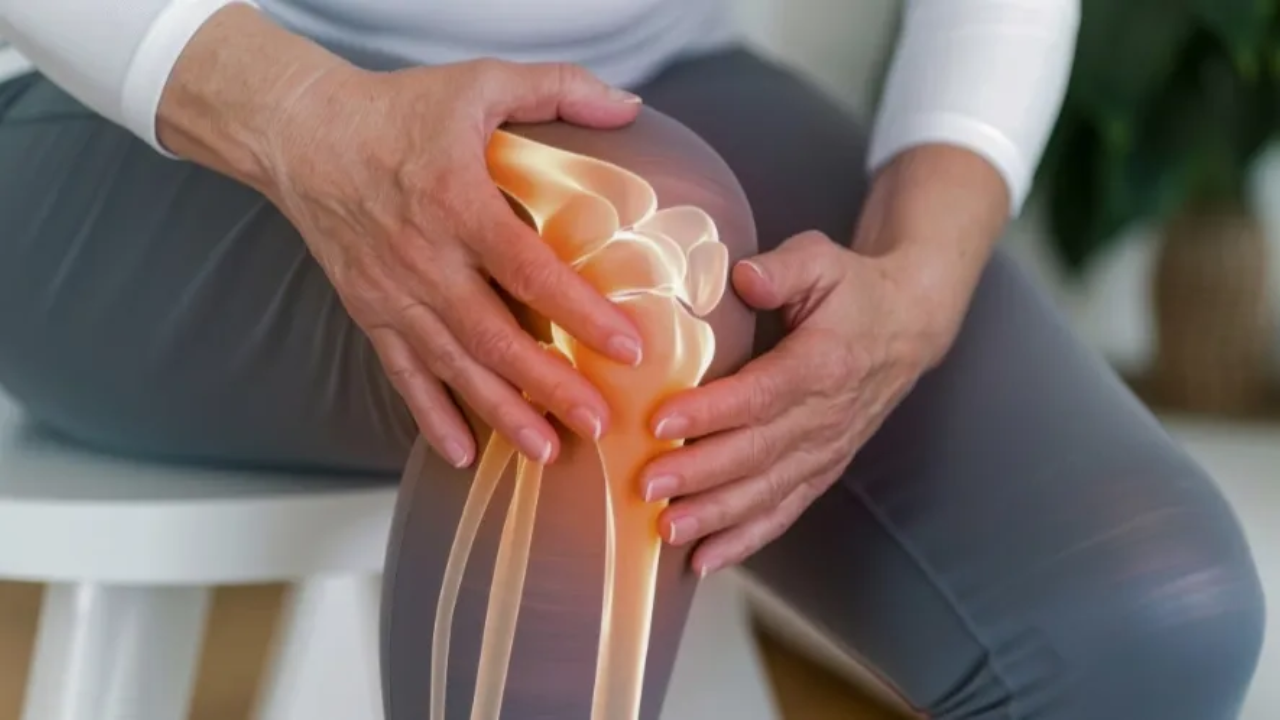
If your vitamin D “switch” runs on low power, your bones quietly pay the price often for decades before anyone notices. The CYP2R1 gene is one of the key switches and understanding how your version works can be the difference between strong, resilient bones and an unexpected osteoporosis diagnosis later in life.
What CYP2R1 Does for Your Bones
Vitamin D doesn’t arrive in your body ready to work. Whether it comes from sunlight or food, it first has to be converted in your liver into 25-hydroxyvitamin D, the main form that shows up on your blood tests. CYP2R1 is the gene that encodes the primary enzyme responsible for this step, essentially acting as a crucial “on” button for vitamin D activation.
Once activated, vitamin D helps you absorb calcium and plays a central role in bone remodeling and repair. If CYP2R1 isn’t working efficiently, vitamin D levels may trend low over time, which can quietly weaken bones and contribute to lower bone density and higher fracture risk.
How Variants in CYP2R1 Change Your Risk
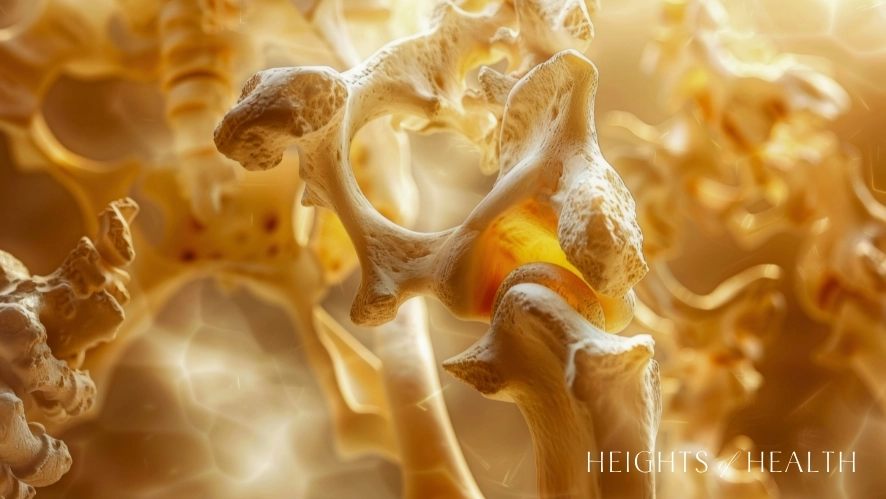
Many people carry common CYP2R1 variants that reduce how efficiently they convert vitamin D into its active form. You could be eating well, getting some sunshine, and even taking a standard supplement, yet still struggle to maintain optimal vitamin D levels because of your genetics.
There are also rare, more severe variants that dramatically impair vitamin D activation and can lead to serious skeletal issues early in life. While most individuals won’t have those, even mild variations can subtly chip away at bone strength over the years, especially when combined with other risk factors like low calcium intake, sedentary lifestyle, or hormonal changes.
Why Genetic Testing Is A Smart, Proactive Move
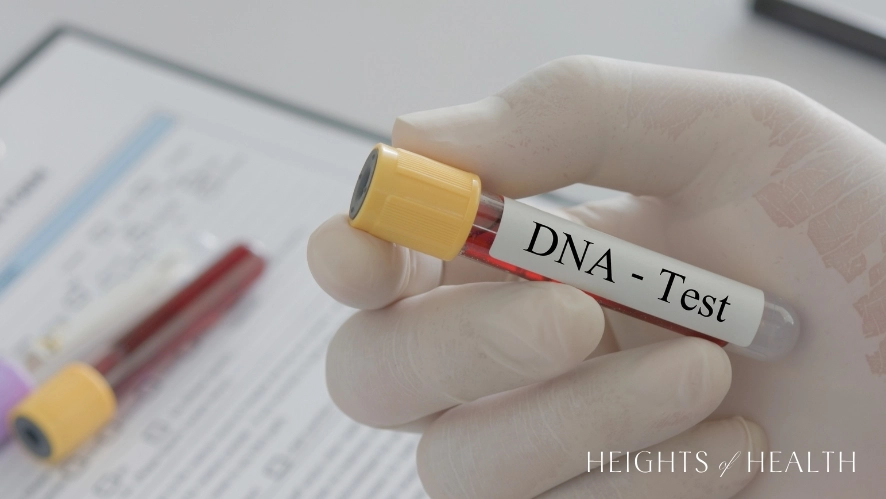
Most bone-health strategies are reactive: we wait for a DEXA scan, a lab result, or even a fracture to tell us something is wrong. Genetic testing changes that by giving you a preview of your vitamin D activation capacity long before problems show up.
If your results reveal CYP2R1 variants that lower your conversion efficiency, you gain clarity on why “one-size-fits-all” vitamin D guidelines might not be enough for you. Instead of guessing, you can take an informed, targeted approach to monitoring your vitamin D levels, adjusting supplement doses, and prioritizing bone-supportive nutrition and lifestyle habits.
How My Genetic Testing Can Support Your Bone Health
In my work, your CYP2R1 results are interpreted alongside other vitamin D–related genes, your current labs, and your overall health story. This lets us design a personalized plan to protect your bones long before osteoporosis becomes a concern.
If your genetics suggest reduced vitamin D activation, we can focus on regular vitamin D testing, dial in supplement strategies that actually match your biology, and build a movement and nutrition plan that truly supports long-term bone strength. Instead of hoping your bones stay strong, you walk away with a clear, actionable roadmap for keeping them that way.
Testimonial: “I…wish I had known this when I was 40!
“I am a postmenopausal woman, and as far as I knew, I had no history of osteoporosis in my family. I never worried about it because I have eaten healthily and have included weight-bearing exercises in my routine with a trainer for many years. Also, as recommended for bone health, I have included HRT in my health regimen since perimenopause. After experiencing back spasms last summer, imagine my surprise to learn that I had 3 fractured vertebrae (due to osteoporosis) in my thoracic back. (I had never felt any pain when they happened, and some were older than others.)
I then had my genetics test done with Tracy at Heights of Health. It shed a lot of light on my deteriorating bones. I have three genetic variants that make osteoporosis harder for me to avoid. The wonderful thing about Tracy’s tests is that something can be done about all findings; it’s not destiny. It turns out that I have fewer Vitamin D receptors than others, and I also learned that if my vitamin D levels get too high, it is dangerous for my bones. I learned this along with other helpful information about how my body deals with estrogen, etc…. Tracy has been so helpful in providing methods for preventing my genetics from being the end of the story for my bone health. I am very grateful to know this now, but I DO wish I had known this when I was 40 (and will encourage my daughter to get this genetic test with Heights of Health)!”
LM Houston 3/1/26
Learn what secrets your genes may be hiding about your potential bone health. Call our offices at Heights of Health today to schedule your at-home, confidential genetic test, along with your all-inclusive consultation with Tracy Southwick to learn your own facts AND solutions. Call us at 713 861 6777.
