Bone Health: the Mineral Supplement You Probably Don’t Know About
Apr 20, 2026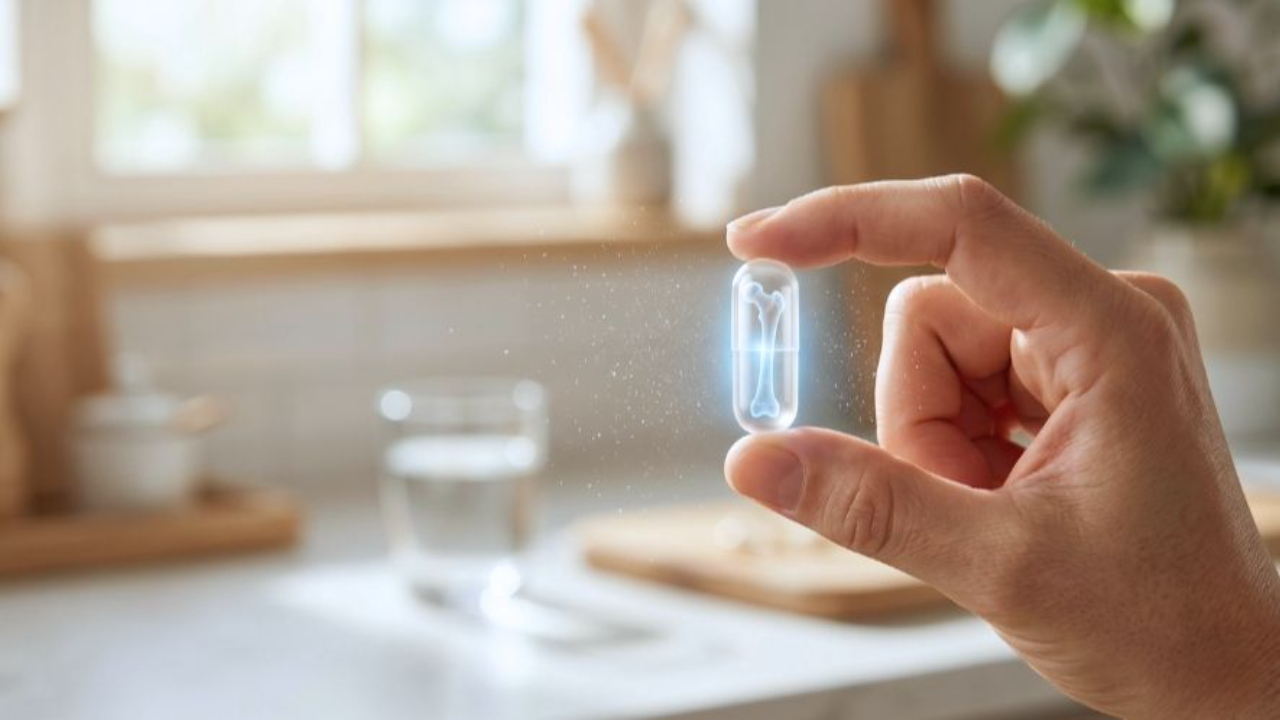
Boron is the underdog of bone health—quiet, overlooked, and missing from most lab panels—yet when it’s low, your skeleton feels it. This tiny trace mineral can make the difference between bones that steadily stay strong and bones that slowly lose their resilience over time, which is exactly why smart supplementation can be such a powerful strategy.
Why Supplementing Boron Matters for Bones
Boron helps your body handle calcium, magnesium, and vitamin D more effectively, all of which are central to bone strength and density. It supports the activation and stability of vitamin D, which boosts calcium absorption and bone mineralization, and it also influences key hormones like estrogen and testosterone that help maintain bone mass as we age. When boron is low, even a decent diet and standard vitamin D supplement may not translate into optimal bone support.
Because modern soils are depleted and many diets are heavy on processed foods, it is surprisingly easy to fall short on boron from food alone. Supplementation offers a reliable, measurable way to close that gap, especially for people who are concerned about osteopenia, osteoporosis, or a strong family history of bone loss.
Why Many People Benefit from Boron Supplements
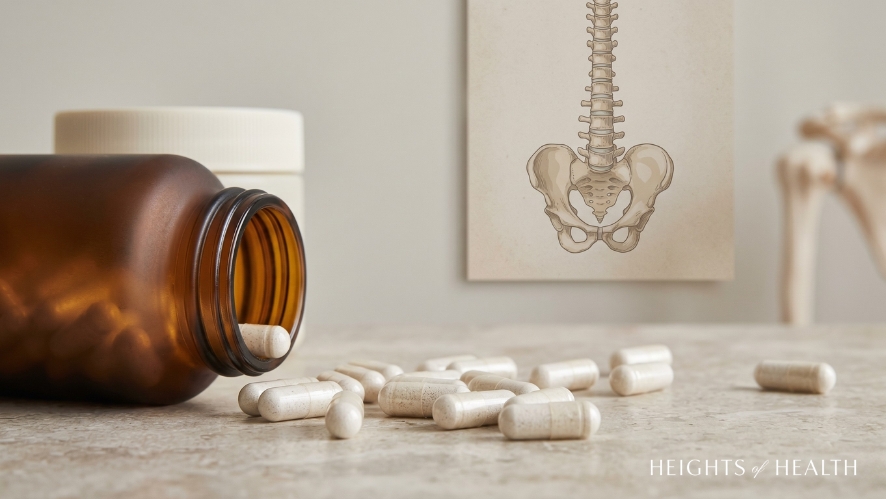
Boron needs are small, but the impact on bone physiology is meaningful. Instead of leaving this to chance, a high-quality boron supplement can:
- Support better utilization of calcium, magnesium, and vitamin D.
- Help optimize hormone balance that influences bone density.
- Provide consistent intake even when your diet isn’t perfect.
Unlike single “quick fix” approaches, boron works quietly in the background, enhancing multiple pathways that keep your bones strong and flexible over time.
Break; Button: Click here to find out why boron food sources often aren’t enough.
Food Sources Still Matter—But Often Aren’t Enough
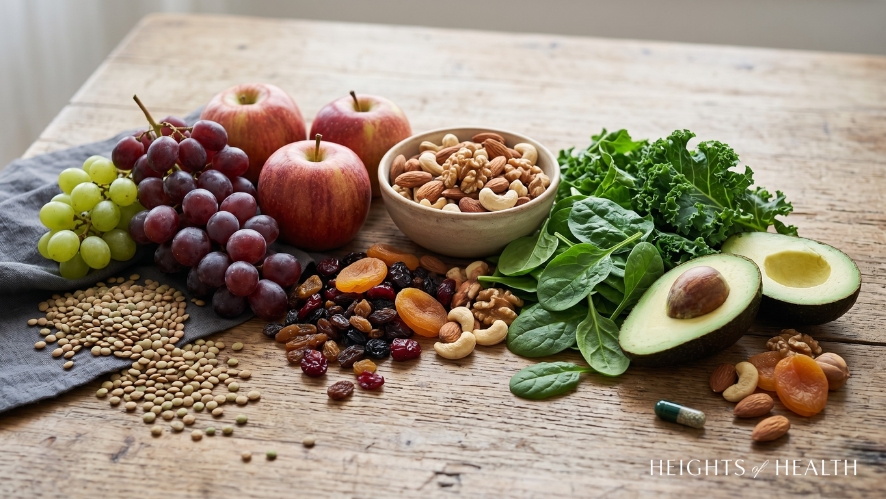
You can certainly boost boron through diet with foods like:
- Dried fruits (prunes, raisins, apricots)
- Nuts (almonds, hazelnuts, walnuts, Brazil nuts)
- Legumes (lentils, chickpeas, beans)
- Fruits (avocados, apples, pears, grapes, peaches)
- Vegetables (leafy greens, broccoli, onions, carrots)
These are wonderful to include, and I encourage them. But for many people—especially those with higher bone-health needs, digestive issues, or limited diets—diet alone may not consistently provide the boron their body truly thrives on.
How Our Clinic’s Boron Supplement Can Help
In our clinic, we carry a carefully selected boron supplement designed to be both effective and gentle, so your body can actually use what you take. It’s formulated to support not just bone health, but also broader areas like vitamin D metabolism, mineral balance, and hormone harmony—key systems that all work together when you’re aiming for long-term resilience.
We also don’t recommend boron in isolation. We look at how it fits into your unique picture: your bone density risk, vitamin D status, diet, and overall wellness goals. From there, we can help you decide:
- Whether boron supplementation is right for you
- What dose makes sense for your body
- How to pair it with vitamin D, K2, magnesium, and lifestyle changes for maximum benefit
If you’re curious whether boron supplementation could be a missing link in your bone-health plan, our team can guide you toward the right product and personalized strategy.
Don’t forget that Genetic Testing can give you the full picture of you current and possible future bone health. Call our offices today to schedule your in-home, confidential genetic test, along with your all-inclusive consultation with Tracy Southwick to learn your own facts AND solutions. Call us @ 713 861 6777
Testimonial: “I…wish I had known this when I was 40!
“I am a postmenopausal woman and as far as I knew, I had no history of osteoporosis in my family. I never worried about it because I have eaten healthily and have included weight bearing exercises in my routine with a trainer for many years. Also, as recommended for bone health, I included HRT in my health regimen since perimenopause. After experiencing back spasms last summer, imagine my surprise to learn that I had 3 fractured vertebrae (due to osteoporosis) in my thoracic back. (I had never felt any pain when they happened, and some were older than others.)
I then had my genetics test done with Tracy at Heights of Health. It shed a lot of light on my deteriorating bones. I have three genetic variants that make osteoporosis harder for me to avoid. The wonderful thing about Tracy’s tests is that something can be done about all findings; it’s not destiny. It turns out that I have fewer Vitamin D receptors than others and I also learned that if my vitamin D levels get too high, it is dangerous for my bones. I learned this along with other helpful information about how my body deals with estrogen, etc…. Tracy has been so helpful in providing methods for preventing my genetics from being the end of the story for my bone health. I am very grateful to know this now, but I DO wish I had known this when I was 40 (and will encourage my daughter to get this genetic test with Heights of Health)!”
LM Houston 3/1/26
